Workshop 1: Connection, Confidence and Belonging
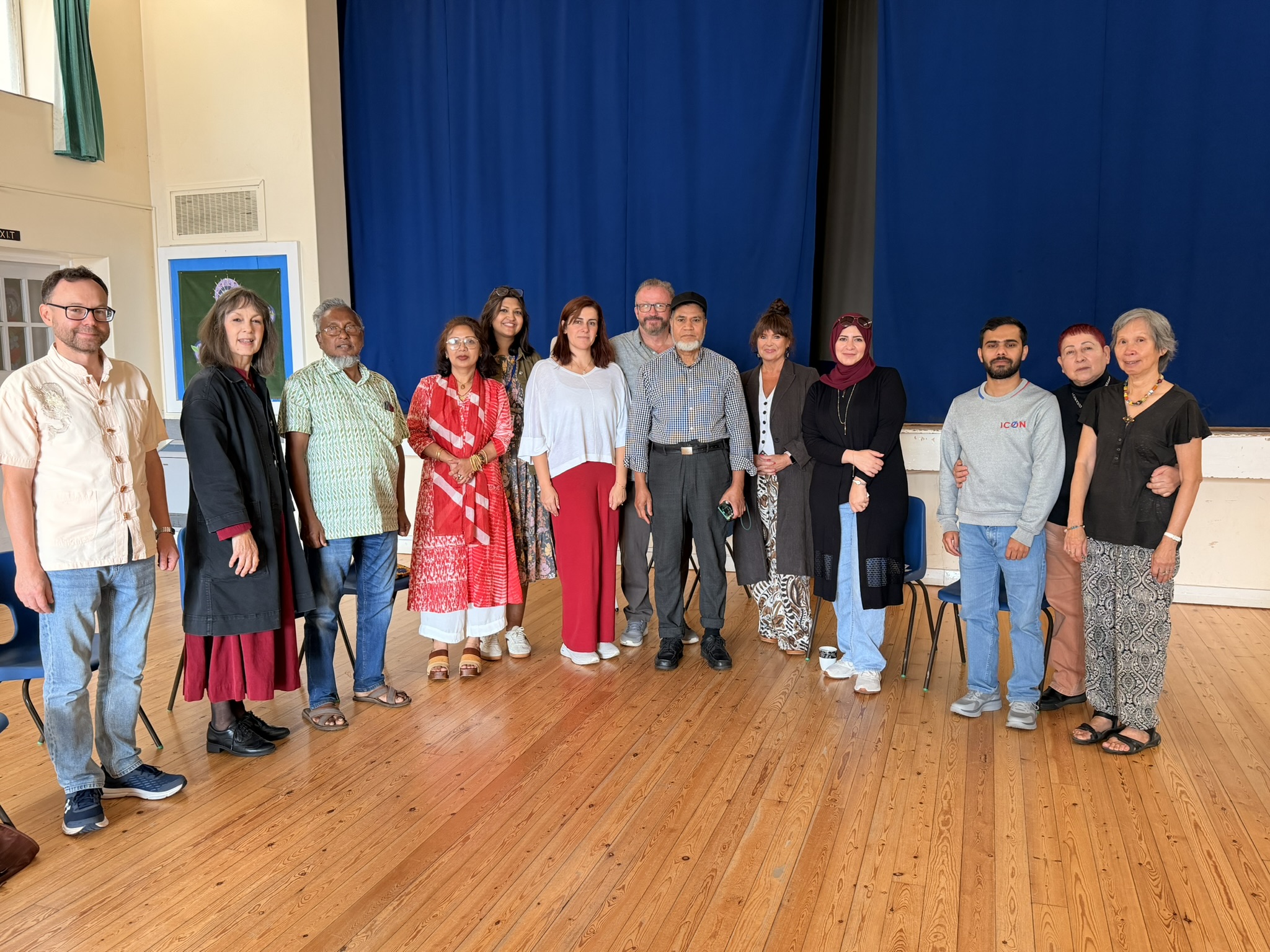
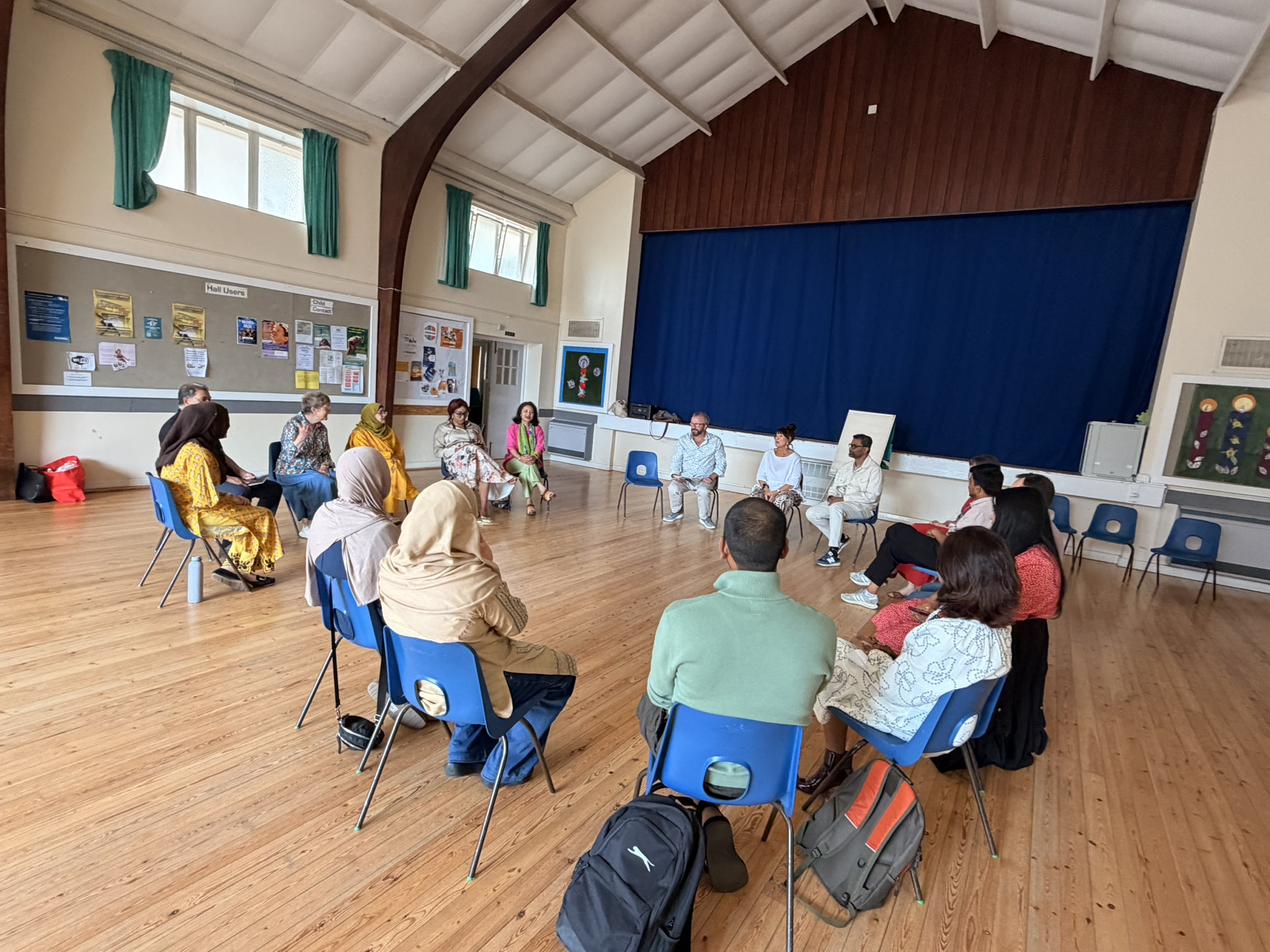
Our first REAL Life in the UK workshop brought participants together in a welcoming and supportive environment to connect, share experiences and build confidence.
Through open discussions and practical activities, we explored self-confidence, healthy boundaries, saying “no” confidently, managing everyday challenges, and finding a healthy balance between personal and professional life. The session also encouraged participants to reflect on their own strengths and develop a stronger sense of belonging within the community.
Workshop 2: Communication and Listening
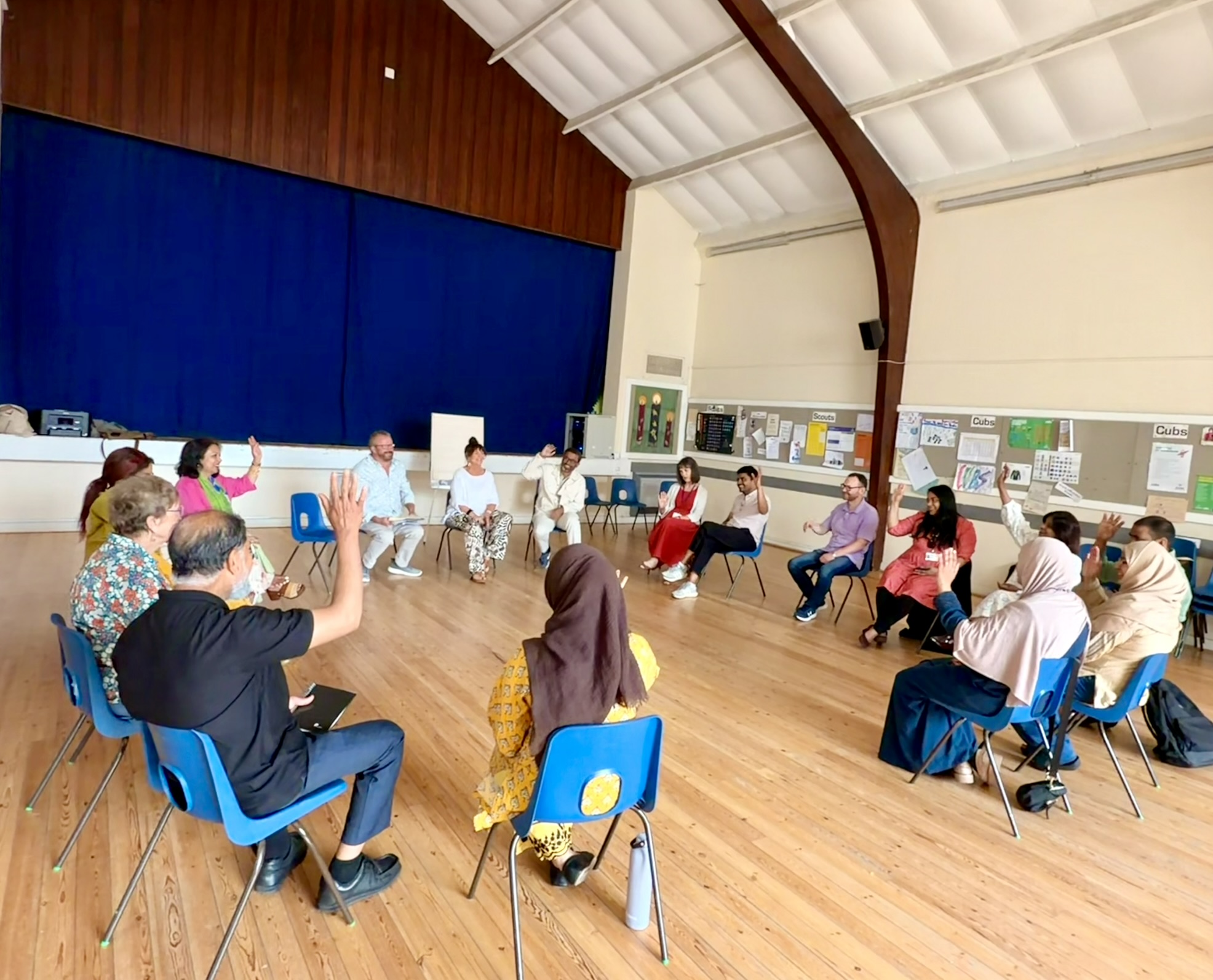
Our second REAL Life in the UK workshop focused on building confidence and developing effective communication and listening skills for everyday life.
Participants explored practical techniques including box breathing to manage anxiety, practising gratitude to support wellbeing, and understanding how body language influences the way we communicate and respond to others. Through discussion and reflection, participants considered how confident and open body language can help create more positive interactions.
Workshop 3: Speak Up and Express Yourself
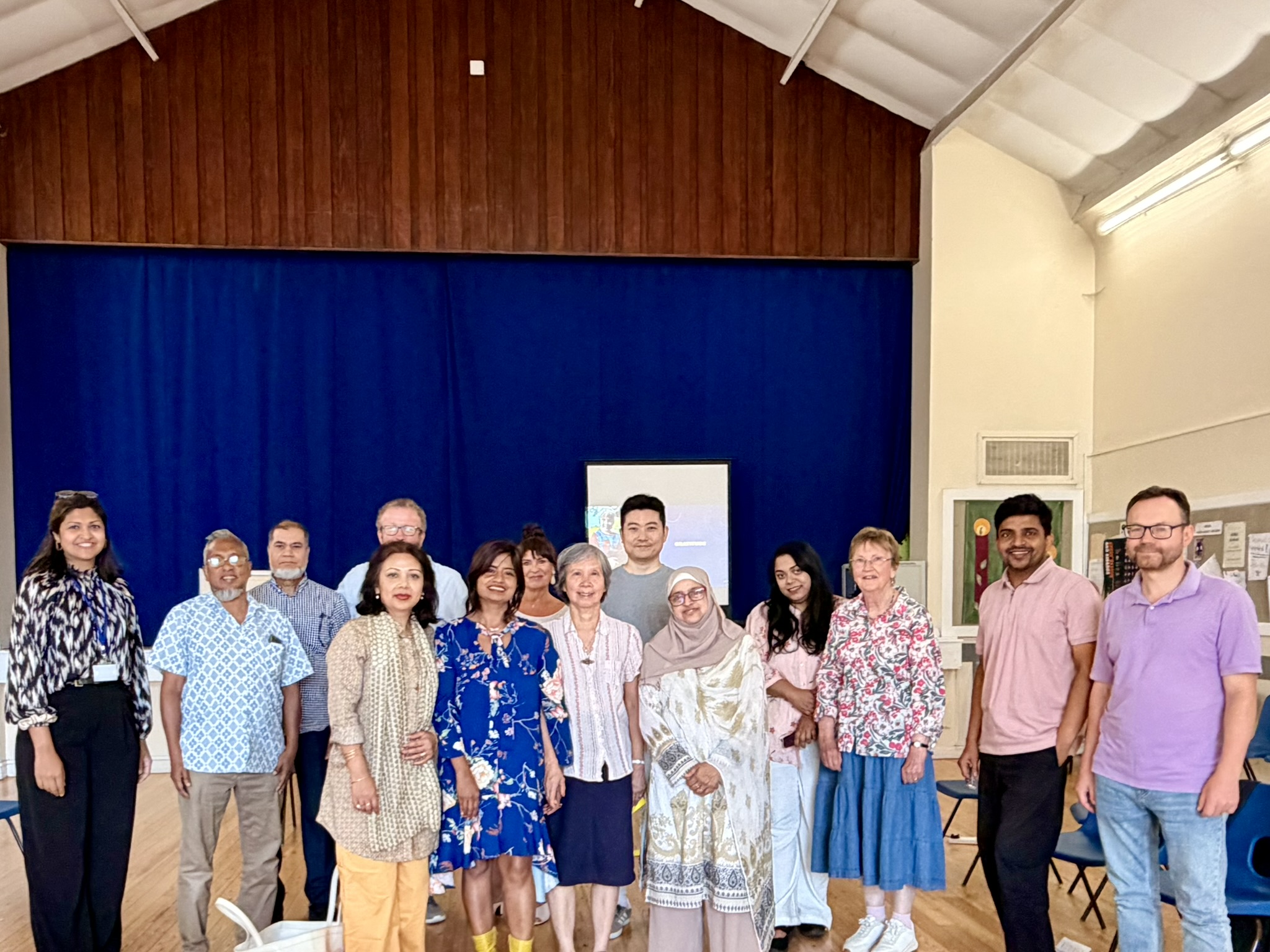
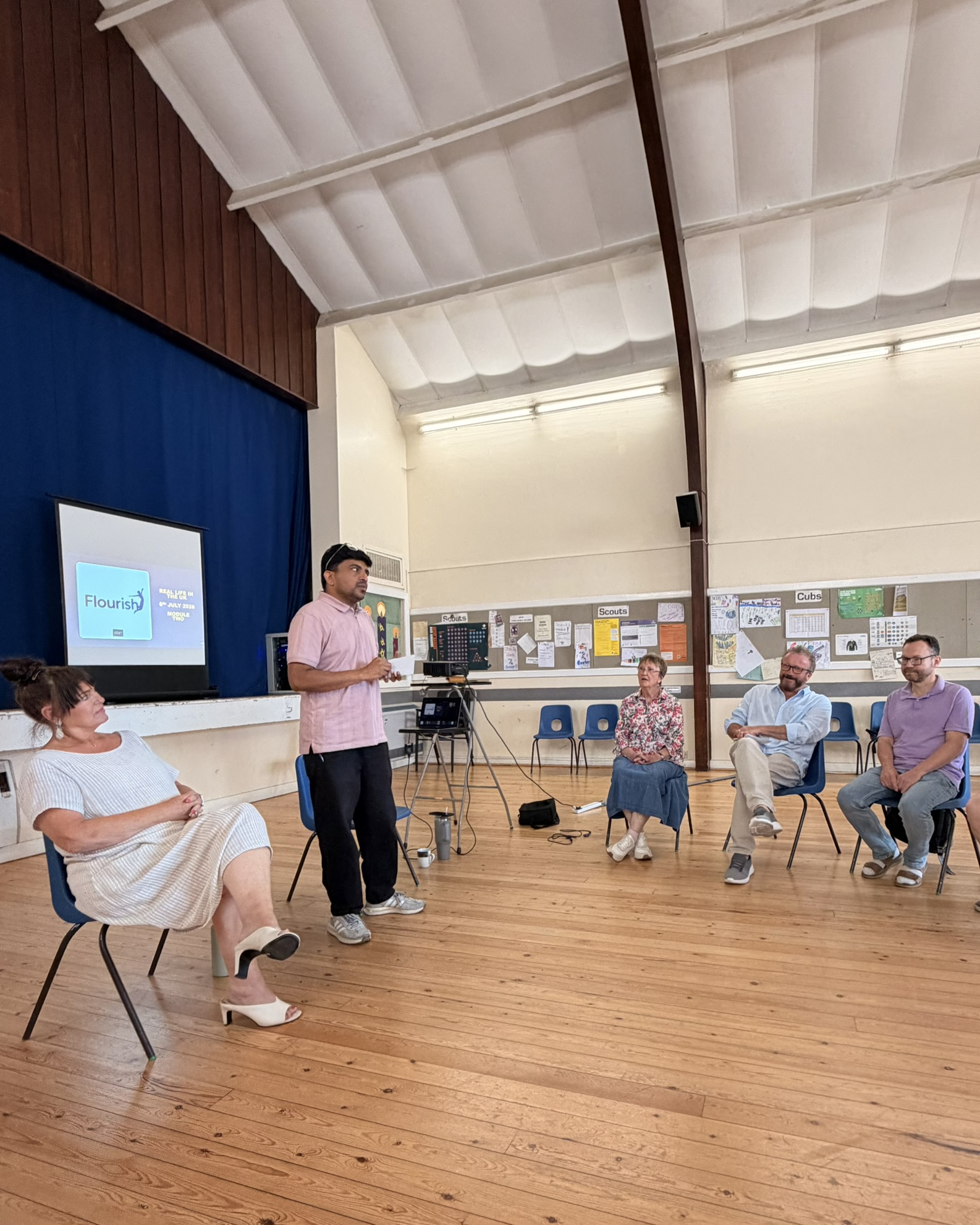
Our third REAL Life in the UK workshop focused on helping participants feel more confident in expressing themselves and connecting with others.
Through interactive activities and group discussions, participants explored everyday greetings, expressing gratitude, giving genuine compliments and understanding how other people’s perceptions can affect our confidence. We also reflected on how previous workshops had influenced participants’ everyday lives and discussed some of the barriers people may experience when communicating with organisations and public services.
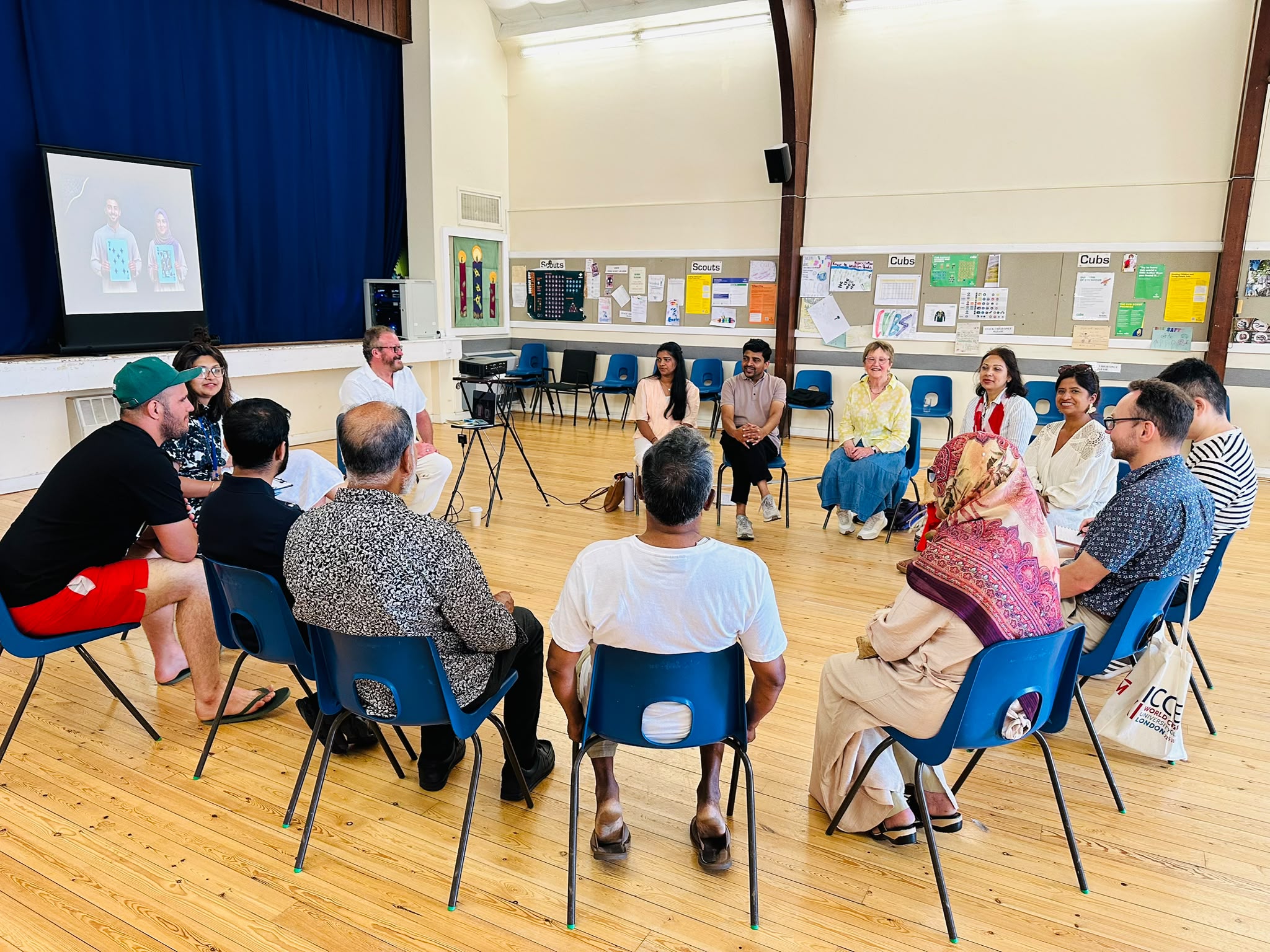
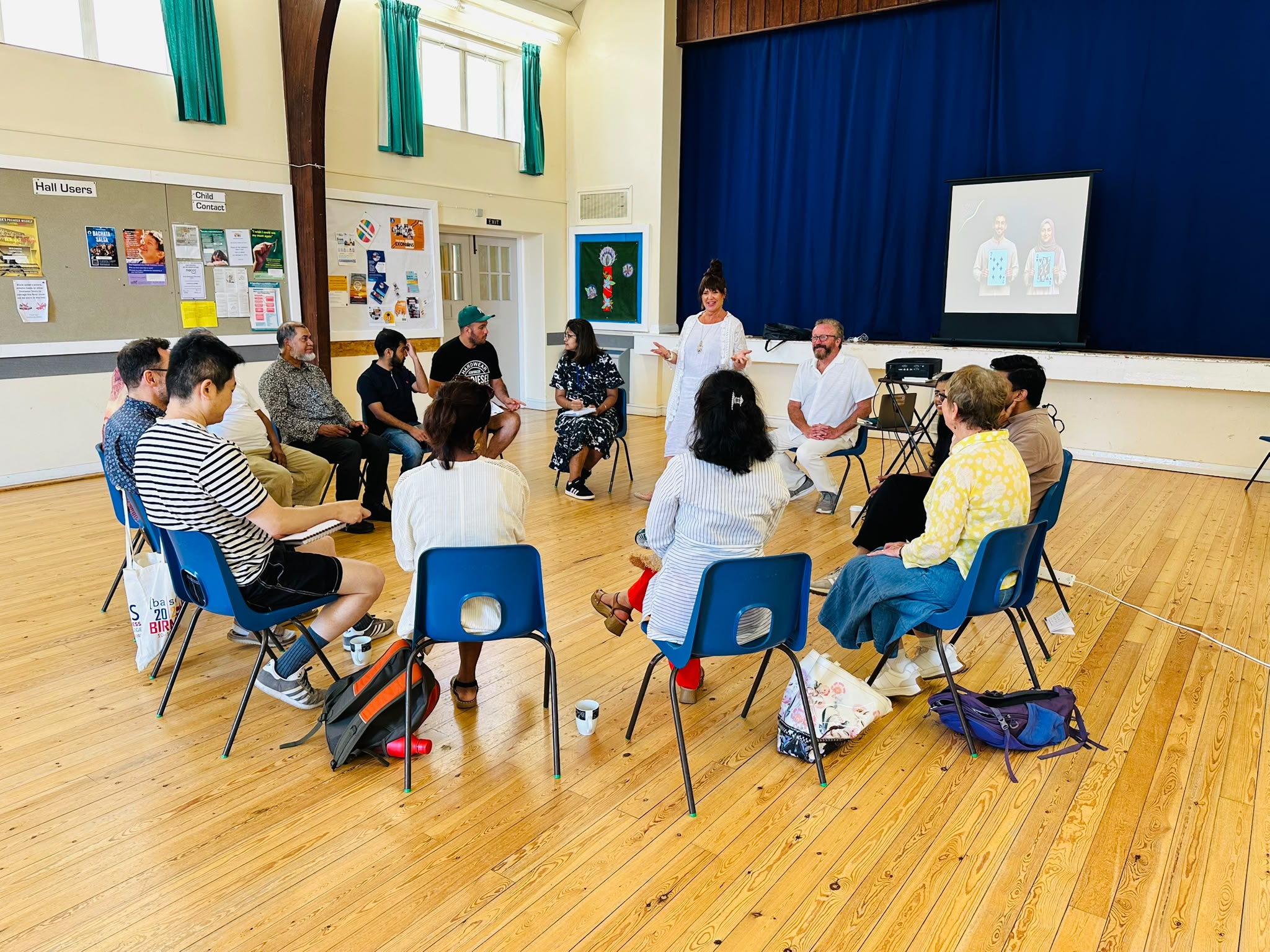
Workshop 4: How to Avoid and Respond to Negative Behaviour Using Body Language, Voice and Mindset
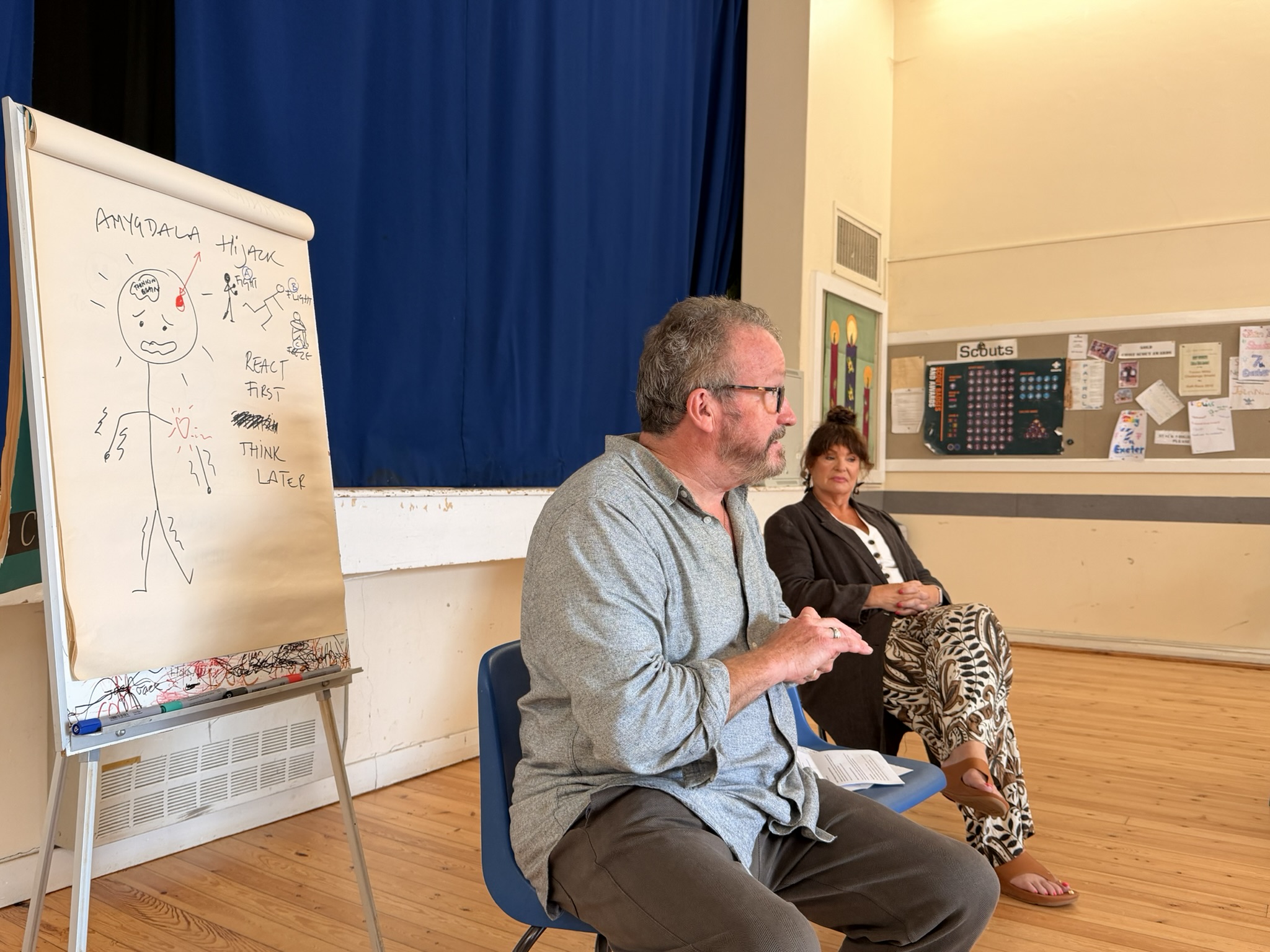
Our fourth REAL Life in the UK workshop explored how our body language, tone of voice, emotions and mindset can influence the way we communicate and respond to challenging behaviour.
Through practical activities and discussion, participants learned how calm and confident communication can help create more positive interactions. We explored setting healthy boundaries, seeing situations from another person’s perspective, managing emotional responses, and recognising that someone else’s negative behaviour is not always personal. The session also highlighted the importance of listening, showing understanding and giving people time when they are feeling overwhelmed or angry.